




India’s Knockout Reality Check: Key Lessons from Defeat Against South Africa
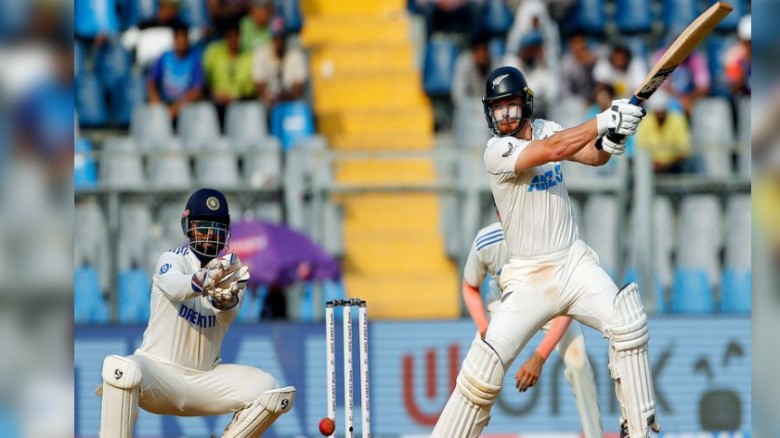
India’s high-pressure clash against South Africa turned into a stark reminder of the fine margins that define knockout cricket. In a match where execution and composure mattered more than reputation, South Africa’s recovery and control exposed a few critical gaps in India’s balance, depth, and decision-making.
Over-Reliance on Pace Spearheads
On a surface that demanded sustained pressure through the middle overs, India once again leaned heavily on Jasprit Bumrah and Arshdeep Singh. While both delivered disciplined spells, the rest of the bowling unit struggled to maintain control or build consistent pressure.
South Africa’s recovery from 20 for 3 to a competitive 187 highlighted this imbalance. At the highest level, especially in knockout games, over-dependence on two bowlers can prove costly. Teams need collective impact across all phases, particularly when conditions require control rather than just breakthroughs.
Selection Calls Under the Scanner
India’s decision to field Washington Sundar instead of Axar Patel raised questions about tactical clarity. The move neither significantly strengthened the bowling variety nor added depth to the batting lineup.
In high-stakes matches, specialists with clearly defined roles often make the difference. Axar’s left-arm spin and proven lower-order hitting offer dual value in pressure situations. The selection of Sundar appeared more like a compromise than a strategic choice, underlining the importance of clarity in team composition during knockout stages.
South Africa’s Middle-Order Strength
South Africa demonstrated why they remain a dangerous white-ball side when their middle order finds rhythm. After early setbacks, experienced campaigners steadied the innings and rebuilt effectively.
David Miller once again showcased his expertise in pressure situations. His ability to absorb pressure, assess match-ups, and accelerate at the right time turned what initially looked like a modest total into a challenging one. The calculated approach in the latter half of the innings proved decisive.
India’s Tentative Chase
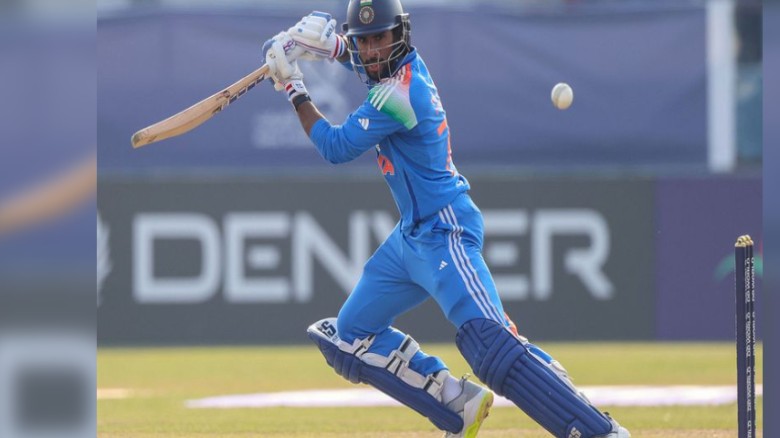
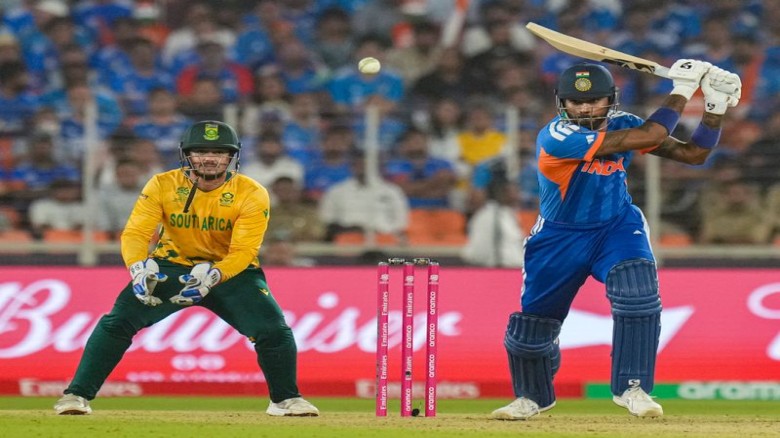
India’s batting response lacked momentum and intent. Early wickets exposed a recurring issue — vulnerability under pressure in crucial matches. Losing top-order wickets forced the middle order into a rebuilding phase, which is rarely ideal in a demanding chase.
South Africa’s fast bowlers maintained hostile lengths and high pace, unsettling India’s stroke-makers. Meanwhile, spinner Keshav Maharaj’s disciplined lines effectively restricted key hitters, including Shivam Dube, cutting off one of India’s primary scoring options.
The Crucial Middle Overs
The turning point of the chase came during the middle phase. While powerplay aggression often grabs attention, knockout games are frequently decided between overs 7 and 15.
South Africa controlled this period expertly, slowing the scoring rate and forcing Indian batters into risky shots. The absence of meaningful partnerships during this phase ensured that the chase gradually slipped out of reach.
Concerns Around Finishing Roles
Rinku Singh’s limited time in the middle during the tournament has emerged as a quiet concern. When he finally got an opportunity in a high-pressure scenario, the required rate was already steep.
Finishers perform best when they are match-ready and in rhythm. Expecting them to deliver immediately in sudden-death situations without adequate game time can be a difficult ask, regardless of their talent.
The Psychological Edge in Knockouts
The larger takeaway from the match lies in the mental demands of knockout cricket. Unlike league stages, where teams can recover from setbacks, elimination games leave no room for error.
In such situations, decision-making, role clarity, and composure under pressure become as important as skill. Every over — and often every ball — carries added weight.
Looking Ahead
India possess the talent and depth to compete with the best, but the business end of major tournaments demands flawless execution. Over-reliance on a few bowlers, uncertainty in selection decisions, and a fragile response to early batting pressure are areas that strong opponents will continue to exploit.
As the tournament progresses into its decisive stages, the focus must shift from potential to performance. In knockout cricket, reputations carry little value — temperament, clarity, and execution determine the outcome.


Leave A Comment