







Trump’s Economic Stance Draws Comparisons With Biden-Era Policies
Trump’s Economic Stance Draws Comparisons With Biden-Era Policies
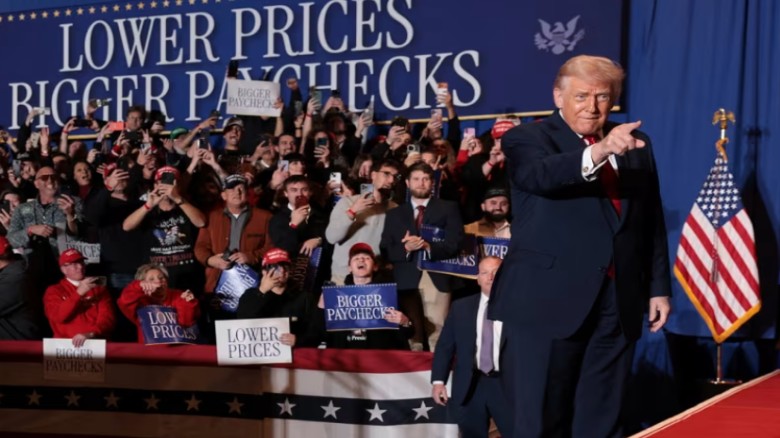
Former US President Donald Trump, a frequent critic of Joe Biden’s handling of the economy, is now drawing comparisons to his predecessor as some of his latest economic proposals echo policies adopted during the early Biden years.
Trump has repeatedly blamed Biden for triggering an inflation crisis, arguing that aggressive stimulus spending and prolonged low interest rates pushed prices to a four-decade high in 2022. However, Trump is now advocating measures that include fresh stimulus checks of up to $2,000 and a push for lower interest rates, policies similar to those implemented as the US economy rebounded from the pandemic.
The US economy is currently growing at a strong pace, with the Commerce Department reporting a 4.3% annualised GDP growth rate in the summer, the fastest in two years. At the same time, affordability concerns and a weakening job market remain key challenges, creating parallels with the economic conditions Biden faced early in his presidency.
Last week, Trump outlined what he called the “Trump Rule,” urging the Federal Reserve to lower interest rates to support the stock market and economic growth, even if it risks higher inflation. He said he would nominate a new Fed chair who aligns with this approach, signalling a departure from the central bank’s traditional focus on curbing inflation during periods of strong growth.
Economists warn that combining stimulus payments with lower interest rates could fuel inflation by boosting demand without increasing supply. Similar concerns were raised during Biden’s term, when inflation surged after large-scale stimulus measures and prolonged accommodative monetary policy.
Trump has acknowledged the potential inflationary risks but argued that the Federal Reserve could raise rates later if prices become a problem. He has also pointed to tariffs as a complicating factor, with Fed Chair Jerome Powell noting that tariffs have contributed to inflation remaining above the Fed’s 2% target.
While the Federal Reserve is expected to keep rates steady in the near term to support the labour market, analysts say weakening employment data could eventually force rate cuts. If that happens, Trump’s economic vision may align even more closely with the policies he once criticised, reviving debate over growth, inflation, and the Fed’s role in balancing both.


Leave A Comment