









Shein Targets Nearly $27bn Valuation in Hong Kong Stock Market Debut
Fast-fashion retailer Shein is preparing for its long-awaited stock market debut in Hong Kong, targeting a valuation of almost $27 billion.
The Singapore-headquartered, China-founded company plans to list on the Hong Kong Stock Exchange on September 1 after previous attempts to go public in the United States and London failed to progress.
Shein is offering nearly 280 million shares at between HK$47.60 and HK$49.50 each.
At the top of the price range, the initial public offering could raise approximately $1.77 billion and value the company at around $26.8 billion.
The figure represents a dramatic decline from Shein’s private-market valuation of almost $100 billion in 2022.
The lower valuation comes as the retailer faces slower growth, higher operating costs, changing import rules and increased regulatory scrutiny in several major markets.
Years-long effort to go public
Shein has spent several years attempting to secure a stock market listing.
The company initially pursued a flotation in New York before shifting its attention to London, but both efforts encountered regulatory and political challenges.
Hong Kong has now emerged as the destination for the company’s public-market debut.
Investment banks including Goldman Sachs, Morgan Stanley and JPMorgan are playing leading roles in the offering.
The IPO also has backing from a number of major institutional investors.
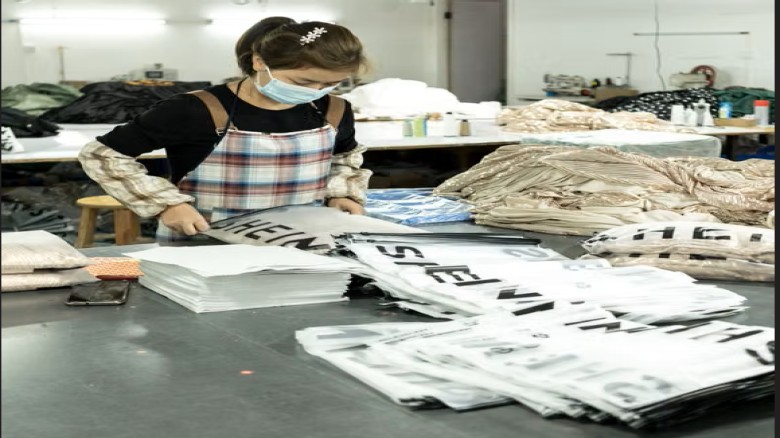
Shein has grown into one of the world's largest online fashion retailers by combining low prices with an extremely rapid product-development and supply-chain model.
Its customers span markets around the world, while much of its manufacturing network remains concentrated in China.
Valuation falls sharply from 2022 peak
The most striking feature of the proposed listing is the reduction in Shein's valuation.
The retailer reached a private valuation of close to $100 billion during the rapid growth of online shopping in 2022.
Its Hong Kong offering now places the business at roughly one-quarter of that level.
The change reflects a very different operating environment.
Competition has intensified from other low-cost online retailers, particularly Temu, while established fashion companies including H&M and Zara owner Inditex continue to compete strongly.
Investors are also assessing whether Shein can maintain its low-price business model while facing higher tariffs, customs charges and regulatory compliance costs.
US tariff change hits Shein
One major challenge has been the removal of the United States' de minimis exemption for low-value packages imported from China.
The rule previously allowed many relatively inexpensive parcels to enter the US without normal import duties.
That exemption played an important role in the growth of companies such as Shein and Temu because individual orders could be shipped directly to American customers at relatively low cost.
Following the change, Shein has faced significantly higher duties on products shipped from China to the United States.
The company has said it may increase prices in the US to offset some of those additional costs.
US revenue fell during the first quarter of 2026, adding to concerns about future growth in one of the company's most important markets.
Shein records quarterly loss
The changing trade environment has also affected Shein's financial performance.
The company recorded a net loss of approximately $99 million in the first quarter of 2026, compared with a profit during the equivalent period a year earlier.
Part of that loss reflected a non-cash accounting charge linked to preferred shares held by investors.
Operating performance has also been affected by higher fulfilment, marketing and tariff-related costs.
Despite those pressures, Shein continues to have an enormous global customer base.
Its IPO prospectus shows that it had around 281 million active customers during the 12 months to the end of March 2026.
Those customers placed approximately 1.09 billion orders over the same period.
Iran conflict adds further pressure
Shein has also said the conflict involving Iran has affected parts of its business.
The company has cited weaker demand in some Middle Eastern markets as well as increased costs and disruption to deliveries.
Combined with changes in US and European import rules, these pressures have created a more difficult environment than when the company first began considering a stock-market flotation.
Environmental and labour scrutiny continues
Shein's rapid growth has repeatedly attracted criticism over the environmental impact of fast fashion and conditions within global supply chains.
Regulators in the United States and Europe have also examined different aspects of the company's business practices.
Shein has previously rejected allegations that it tolerates forced labour and says it maintains a zero-tolerance policy towards forced labour within its supply chain.
The company says it has strengthened auditing, transparency and governance procedures as it prepares to become publicly traded.
Those issues are nevertheless likely to remain important considerations for investors.
Hong Kong listing will test investor confidence
Shein's IPO will provide one of the clearest tests yet of how investors value the company's business after years of rapid expansion.
The company generated $41.8 billion in net revenue during 2025, according to its prospectus.
However, investors will be looking beyond Shein's existing scale and focusing on whether it can maintain growth and profitability as trade barriers and regulatory costs increase.
The final IPO price is expected to be determined before the listing.
If the offering proceeds according to the planned timetable, Shein shares will begin trading in Hong Kong on September 1 under stock code 00625.
The debut will mark the end of a years-long effort to enter public markets — but it will also begin a new phase in which Shein's financial performance, governance and growth strategy will face closer scrutiny from shareholders.


Leave A Comment