









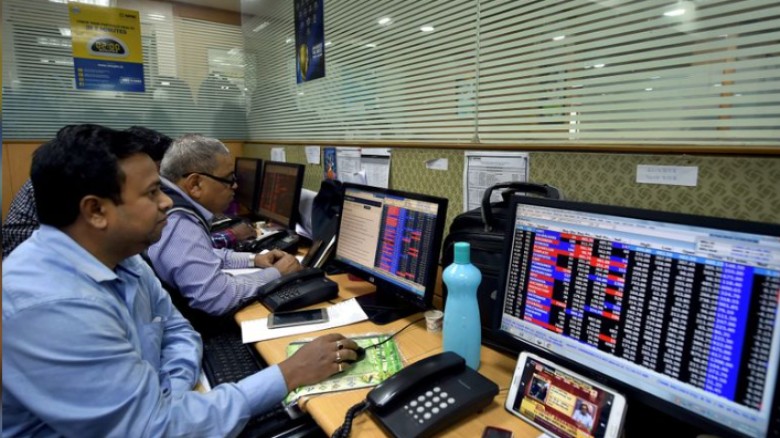
Sensex Surges 1,718 Points to 81,028, Nifty Crosses 25,000 as Indian Markets Defy Global Tech Sell-Off
Indian stock markets extended their winning streak for a seventh consecutive trading session on Friday, November 6, 2026, despite heavy losses in technology shares across major international markets.
The BSE Sensex advanced 1,718.01 points, or 2.17%, to close at 81,028.02. The NSE Nifty 50 gained 493.75 points, or 2.01%, finishing at 25,030.35.
Both benchmark indices closed at their highest levels in more than eight months, following a week of strong buying by foreign investors and improving sentiment towards Indian equities.
Friday's session began with volatility. The Sensex initially declined as investors reacted to the sharp overnight fall on Wall Street, while the Nifty also traded below its previous closing level.
However, buying interest strengthened during the session. The Sensex moved above 81,000 by the closing bell, while the Nifty reclaimed the 25,000 mark.
Foreign institutional investors played an important role in the rally. Exchange data showed purchases of approximately ₹14,975 crore on Thursday, one of the largest single-day inflows into Indian equities in nearly six years.
Indian markets also benefited from lower crude oil prices compared with recent peaks. As a major importer of oil, India can benefit from reduced energy costs through lower import expenses and easing pressure on businesses.
The weekly performance was particularly strong. The Nifty gained approximately 8.6% and the Sensex rose 8.8%, marking their largest weekly advances since February 2021.
Financial companies were among the leading contributors. The financial services sector gained approximately 10.4% during the week, supported by strong performances from major private-sector banks.
HDFC Bank and ICICI Bank recorded weekly gains of approximately 13.8% and 12.4%, respectively. Reliance Industries also advanced 13.3% over the week following encouraging quarterly financial results.
India's performance contrasted with the sharp technology-driven declines in the United States and several Asian markets. Investors appeared to distinguish Indian companies from businesses directly exposed to large-scale artificial intelligence infrastructure spending.
Nevertheless, the gains were not evenly distributed across all stocks. Smaller companies showed weaker performance during Friday's session, even as the leading benchmark indices advanced.
The strong recovery reflects changing investment flows, corporate earnings expectations and international commodity trends. Market volatility remains possible, particularly as investors continue assessing global economic developments and the outlook for technology companies.


Leave A Comment