









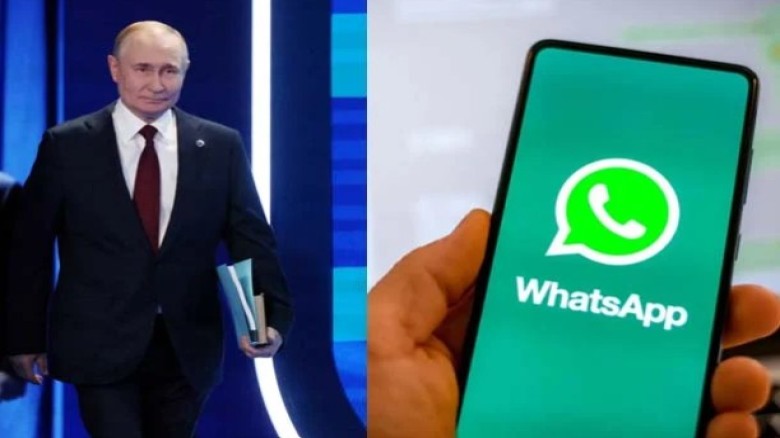
Russia Blocks WhatsApp Amid Messaging App Crackdown
Russia Blocks WhatsApp Amid Messaging App Crackdown
Moscow, February 2026 – Russia has ordered a block on Meta-owned messaging service WhatsApp, in a continued push to tighten control over digital communications in the country. The move affects over 100 million users, who authorities are encouraging to switch to the state-developed messenger app, Max.
Kremlin spokesman Dmitry Peskov told the BBC that the decision was made “due to [Meta's] unwillingness to comply with the norms and the letter of Russian law.” He added that Meta could resume operations if it enters into dialogue and adheres to Russian regulations. Peskov also described Max as a “national messenger [that is] an available alternative” for users.
The Russian internet regulator, Roskomnadzor, has also restricted access to the popular app Telegram, citing security concerns. Telegram is widely used in Russia, including by forces deployed in Ukraine, and the restrictions have sparked complaints from pro-war bloggers that communications are being hampered.
The Kremlin has long promoted the development of domestic alternatives to global apps, a strategy accelerated during the Ukraine conflict. Max, which critics claim could be used for state surveillance, is being widely promoted across the country through television, billboards, and government channels.
Authorities argue that WhatsApp and Telegram fail to store Russian users’ data locally, as required by law, and claim WhatsApp has been used in fraudulent and extortion schemes targeting Russians. In response, WhatsApp said the block “is a backwards step and can only lead to less safety for people in Russia.”
State-run media reported that WhatsApp is expected to be permanently blocked in 2026. Russia labelled Meta an extremist organisation in 2022, resulting in Instagram, Facebook, and WhatsApp being restricted—accessible only through virtual private networks (VPNs).
Digital rights group Na Svyazi (In Touch) has noted a growing removal of websites from Russia’s National System of Domain Names, including Facebook, YouTube, Instagram, WhatsApp Web, the BBC, and Deutsche Welle, which cannot be accessed without a VPN once removed.
The WhatsApp block underscores Moscow’s ongoing efforts to consolidate digital control and promote state-backed platforms amid rising tensions in the region.


Leave A Comment