









Personal Loan in India: Why a CIBIL Score Above 750 Can Improve Approval Chances and Interest Rates
A good CIBIL score can improve an individual's chances of securing a personal loan in India, but lenders also consider income, existing debt, employment stability and repayment capacity before approving an application.
A CIBIL score is a three-digit measure of creditworthiness generated by TransUnion CIBIL using information from an individual's credit report. Scores generally range from 300 to 900, with higher numbers indicating a stronger credit profile.
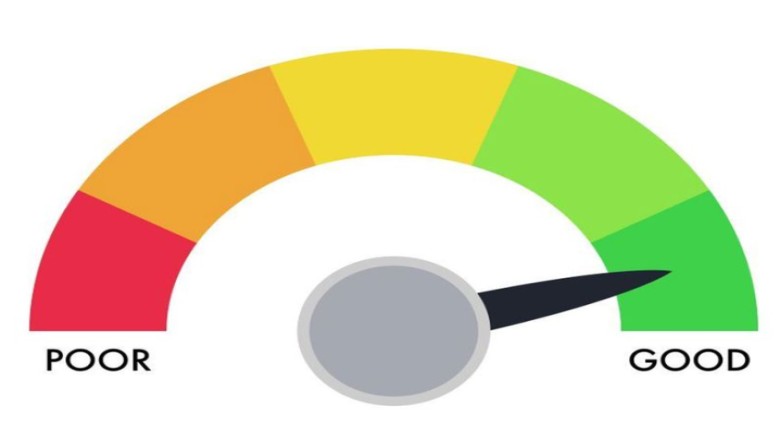
According to TransUnion CIBIL, a score above 700 is generally considered good. A score of 750 or higher is often regarded as particularly favourable by lenders, although eligibility requirements vary between financial institutions.
Personal loans are usually unsecured, meaning borrowers are not required to provide property or another asset as collateral. Because lenders have no specific asset securing the loan, credit history plays an important role in their assessment.
Borrowers with stronger credit scores may qualify for more competitive interest rates and favourable lending terms. However, a high score does not guarantee approval, instant disbursement or the lowest advertised interest rate.
Applicants with scores between 650 and 699 may still be considered by some lenders, depending on their financial circumstances. Lower scores can result in additional scrutiny, smaller sanctioned loan amounts, higher interest rates or rejection.
Payment history is one of the most important factors affecting a CIBIL score. Missing loan instalments, delaying credit card payments or defaulting on existing borrowing can negatively affect future access to credit.
Credit utilisation also matters. Using a large proportion of available credit card limits may indicate increased borrowing pressure. Maintaining manageable balances and making payments on time can support a healthier credit profile.
Other relevant factors include the length of an individual's credit history, the types of credit accounts held and the number of recent loan or credit card applications. Multiple applications over a short period may affect a borrower's credit assessment.
Lenders also examine the proportion of monthly income committed to existing loan repayments. An applicant with a strong credit score may still face rejection if their regular financial obligations leave insufficient income to service another loan.
Borrowers should review the total cost of credit before accepting an offer. Interest rates, processing fees, repayment periods, late-payment charges and applicable prepayment conditions can significantly affect the amount ultimately repaid.
Individuals with a credit history are entitled to obtain one free full credit report, including their credit score, from a credit information company each calendar year under Reserve Bank of India requirements. Reviewing the report can help identify inaccurate entries and monitor existing borrowing.
For consumers considering a personal loan, maintaining timely repayments, avoiding excessive debt and checking credit information regularly can improve financial readiness. The appropriate loan amount should ultimately be determined by affordability rather than the maximum sum a lender is willing to offer.


Leave A Comment