









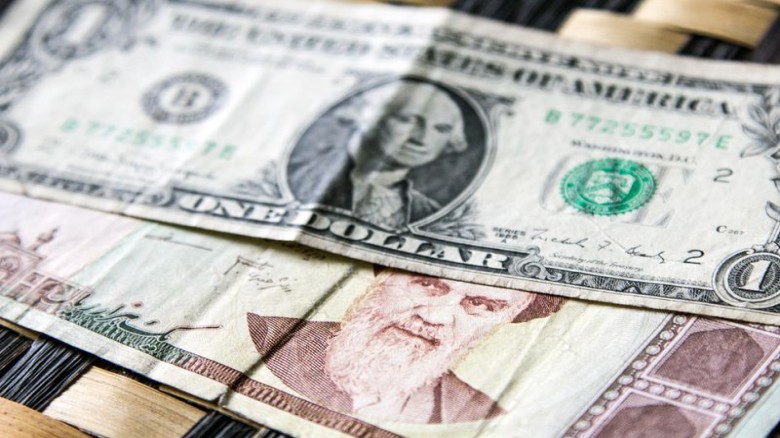
Iran’s Rial Falls to New Record Low, Raising Alarm Over Rising Food Prices
Iran’s Rial Falls to New Record Low, Raising Alarm Over Rising Food Prices
Iran’s national currency, the rial, has plunged to a new all-time low, intensifying concerns over inflation and the rising cost of living as the country continues to grapple with sanctions and regional tensions.
On Monday, currency traders in Tehran quoted the US dollar at more than 1.3 million rials, marking a sharp decline from earlier this month when the currency first slipped past the 1.2-million level. The rapid depreciation highlights mounting pressure on Iran’s economy and is expected to further drive up prices of food and other essential goods.
The falling rial has added to inflationary pressures already straining household budgets, with economists warning that staples such as meat and rice could become increasingly unaffordable. Recent changes in gasoline prices have also raised fears of additional knock-on effects across the economy.
The currency’s decline comes amid stalled efforts to revive negotiations between Tehran and Washington over Iran’s nuclear programme. Market uncertainty has been compounded by lingering fears of renewed conflict following June’s 12-day war involving Iran and Israel, as well as concerns that a broader confrontation could draw in the United States.
Iran’s economy has faced years of pressure due to international sanctions, particularly after former US President Donald Trump withdrew Washington from the 2015 nuclear deal in 2018. At the time the agreement was implemented, the rial traded at around 32,000 to the dollar, reflecting the scale of the currency’s collapse since then.
After returning to the White House for a second term in January, Trump revived a “maximum pressure” policy, expanding sanctions targeting Iran’s financial system and energy exports. The United States has also stepped up action against companies involved in trading Iranian crude oil, including discounted shipments to China.
Additional pressure followed in late September when the United Nations reimposed nuclear-related sanctions on Iran through the so-called “snapback” mechanism. These measures froze Iranian assets abroad, halted arms transactions and imposed further restrictions linked to Iran’s ballistic missile programme.
Economists caution that the rial’s accelerating fall risks creating a vicious cycle of inflation and declining purchasing power, deepening economic hardship for ordinary Iranians. With diplomacy stalled and sanctions tightening, many fear that relief for the embattled economy remains a distant prospect.


Leave A Comment