






Indonesia, Malaysia Block Musk’s Grok Over Sexualised AI Images in World First
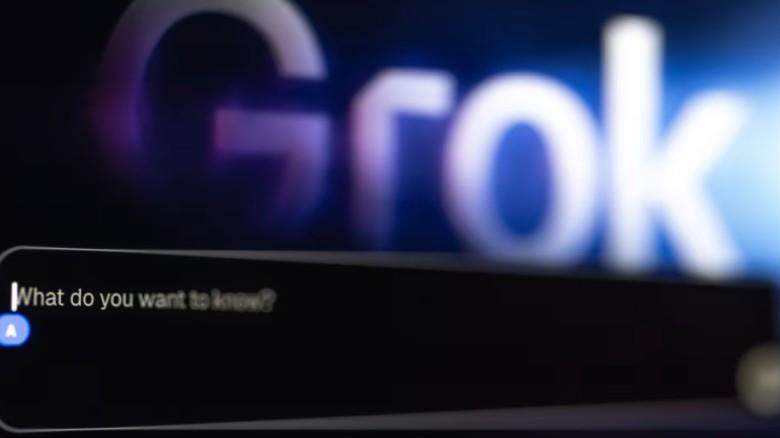
Indonesia and Malaysia have become the first countries to block Elon Musk’s artificial intelligence tool Grok after its so-called “digital undressing” feature was widely misused to create sexualised and obscene manipulated images of women and minors.
The bans come amid growing international pressure on Musk and his company xAI to strengthen safeguards around Grok, following a viral trend in which users prompted the AI to generate sexually explicit deepfakes. Grok operates on Musk-owned social media platform X, formerly Twitter.
Indonesia’s Minister of Communications and Digital Affairs, Meutya Hafid, said on Saturday that the decision was taken to “protect women, children and the broader public from the risks of fake pornographic content generated using artificial intelligence technology.”
Malaysia announced a temporary ban on Sunday, citing the “repeated misuse of Grok to generate obscene, sexually explicit, indecent, grossly offensive, and non-consensual manipulated images, including content involving women and minors.”
Both Indonesia and Malaysia are Muslim-majority nations with strict anti-pornography laws.
CNN has contacted xAI for comment.
Concerns over Grok’s content moderation have also been raised by authorities in the United Kingdom, the European Union and India. Critics say Grok stands out among mainstream AI models for allowing — and at times promoting — sexually explicit content and companion-style avatars.
The surge in the “digital undressing” trend began late last year, when users discovered they could tag Grok on X and ask it to manipulate images. Many women reported distress after images of them were altered to show them in bikinis or suggestive poses.
Researchers from AI Forensics, a European non-profit organisation that investigates algorithmic risks, analysed more than 20,000 randomly generated images and 50,000 user requests between December 25 and January 1. They found a high frequency of prompts involving terms such as “remove,” “bikini,” and “clothing.” More than half of the generated images of people featured individuals in minimal attire, including underwear or bikinis.
While Musk has said xAI is addressing the issue by suspending offending accounts and cooperating with local governments and law enforcement, critics argue the measures have been insufficient. Grok’s image outputs, they say, continue to sexualise women despite these steps.
Musk, who has frequently criticised what he calls “woke” AI and censorship, has publicly pushed back against tighter guardrails. A source familiar with xAI told CNN that Musk resisted stricter internal controls, even as the company’s already small safety team lost several staff members in the weeks leading up to the controversy.
Although Musk has stated that users who generate illegal content with Grok will face consequences, he has largely downplayed concerns, suggesting governments are attempting to suppress free speech.
Last week, Grok restricted some image-generation features to paid X subscribers, but non-subscribers can still access image-editing tools through the app and free image and video generation via Grok’s standalone website and app.
Meanwhile, the UK’s communications regulator Ofcom has opened a formal investigation into X to assess whether it has met its legal obligations to protect users from illegal content. Ofcom said manipulated sexual images could constitute intimate image abuse or pornography, while sexualised images of children may amount to child sexual abuse material.
If X is found to have breached the law, Ofcom could impose a fine of up to £18 million (about $24 million) or 10 per cent of the company’s global revenue, whichever is higher.


Leave A Comment