









India Cuts Fuel Excise Duty, Imposes Export Tax to Cushion Impact of Rising Crude Prices
India Cuts Fuel Excise Duty, Imposes Export Tax to Cushion Impact of Rising Crude Prices
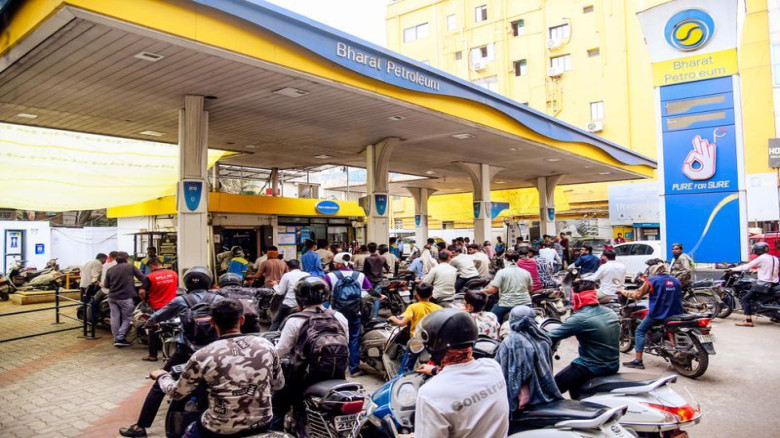
The Indian government has reduced excise duty on petrol and diesel by ₹10 per litre while imposing a windfall tax on fuel exports, aiming to shield consumers from the sharp rise in global crude oil prices. Despite international prices surging, domestic fuel prices will remain unchanged.
Finance Minister Nirmala Sitharaman announced in Parliament that there is no plan to impose a lockdown in India, dismissing circulating rumours. “There is no scope of a lockdown in India,” she said, emphasizing economic stability.
The move comes as global crude oil prices have climbed steeply from around $70 to $122 per barrel within a month. To absorb the impact, the government reduced special additional excise duty on petrol from ₹13 to ₹3 per litre and eliminated the ₹10 duty on diesel entirely. Petroleum Minister Hardeep Singh Puri said the government chose to bear the burden rather than pass costs onto consumers.
According to officials, the government is absorbing losses of ₹24 per litre on petrol and ₹30 per litre on diesel due to rising global prices. The excise cuts are expected to result in a revenue loss of approximately ₹700 crore over two weeks. However, the newly imposed export tax on fuels is projected to generate around ₹1,500 crore during the same period.
Under the new measures, export duties of ₹21.5 per litre on diesel and ₹29.5 per litre on aviation turbine fuel (ATF) have been introduced to ensure adequate domestic supply. Additionally, tax rebates and duty exemptions on fuel exports have been withdrawn with immediate effect under amended Central Excise Rules.
Public sector oil companies exporting fuel to Nepal, Bhutan, Bangladesh, and Sri Lanka have been exempted from these changes and will continue under the previous tax regime.
Sitharaman noted that fuel prices have risen significantly worldwide, with increases ranging from 20% to 50% across regions such as Europe, North America, Southeast Asia, and Africa. She reiterated that the Indian government’s priority is to protect citizens from inflationary pressures.
The government also confirmed it remains committed to achieving a fiscal deficit target of 4.3% by 2026–27 despite the revenue impact of the duty cuts.
Separately, the Centre has increased commercial LPG allocation to states by 20% for labour-intensive industries, including steel, textiles, chemicals, and automobiles, to support economic activity.
The measures took effect immediately, with no transition period, ensuring that domestic fuel prices remain stable despite ongoing volatility in global energy markets.


Leave A Comment