









Ukraine’s Refinery Strikes and US Sanctions Intensify Pressure on Russia’s Oil Sector
Kyiv/Moscow, October 24: Russia’s oil industry is facing mounting pressure as Ukrainian drone strikes continue to target key refineries while the United States tightens sanctions on Moscow’s largest energy companies. The dual assault is squeezing Russia’s fuel production and threatening wider economic disruption.
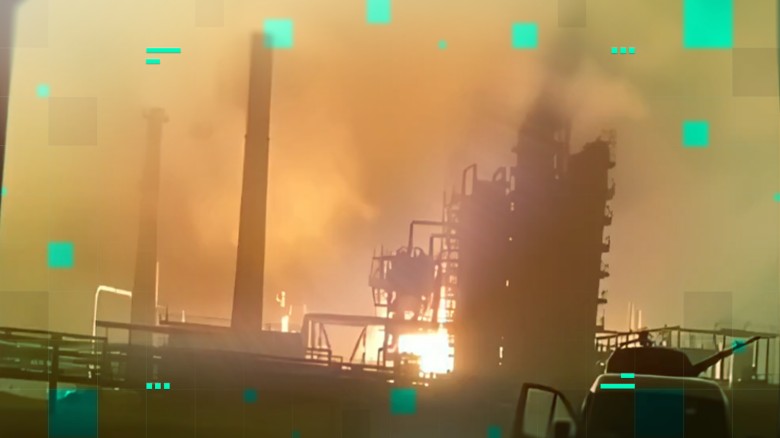
An analysis by Sky News shows that since August 2025, ten refineries across Russia have been struck two or more times, with several suffering repeated attacks that hinder repair efforts. Most of the targeted facilities are located in western Russia — within range of Ukrainian long-range drones.
According to Clay Seigle, senior fellow at the Centre for Strategic and International Studies (CSIS), the repeated strikes are part of a deliberate Ukrainian strategy to sustain pressure on Russia’s oil capacity.
“The Ukrainian strikes have to come at a faster pace with greater effect than the Russians are able to repair,” Seigle explained, noting that isolated drone hits often cause limited damage, prompting Kyiv to strike the same targets again.
US Sanctions Add Economic Strain
Compounding the problem for Moscow, US President Donald Trump this week announced new sanctions on Russia’s two largest oil companies — Rosneft and Lukoil — both central pillars of the country’s energy sector. Between them, the firms operate 13 refineries, five of which have already been targeted multiple times by Ukrainian drones.
The sanctions impose a 30-day wind-down period for companies worldwide doing business with Rosneft or Lukoil. Seigle said the impact will depend on how rigorously the sanctions are implemented.
“These are the strongest cards the US has played so far. But it’s all about enforcement and how companies adapt during the wind-down period,” he added.
Strikes Hit Sanctioned Facilities
The Ryazan refinery, owned by Rosneft, became the latest target overnight, marking the third strike on the facility in just three months. Ukraine’s Armed Forces confirmed the attack, stating the refinery was hit because of its “role in supplying fuel to the Russian army.”
The repeated strikes have led to fuel shortages in parts of western Russia, with some reports indicating disruptions at petrol stations and logistical bottlenecks in fuel transport.
Growing Impact on Russian Operations
The combination of sustained Ukrainian strikes and tightening Western sanctions is now creating a ripple effect across Russia’s energy network. Analysts say the damage goes beyond lost output — it undermines Russia’s ability to sustain its military logistics and export commitments.
“Energy is the lifeline of Russia’s war machine,” Seigle said. “Every refinery disrupted or sanctioned translates into fewer resources to fuel military and industrial operations.”
Escalating Economic Pressure
Russia’s energy exports remain the backbone of its economy, providing critical revenue amid ongoing war expenditures. However, with multiple refineries offline or operating at reduced capacity, and Western sanctions complicating oil trade and financing, experts warn of a deepening strain.
For Ukraine, the campaign signals a shift toward economic warfare, aiming to weaken Russia’s strategic infrastructure from within.
As the conflict extends into its third year, the coordinated pressure from Kyiv’s drone offensives and Washington’s economic measures could mark a significant turning point — one that tests Russia’s capacity to maintain both its war effort and domestic energy stability.


Leave A Comment