




US Strikes Kill 14 on Four Alleged Drug Boats in the Pacific, Says Defence Secretary Hegseth
US forces have killed 14 people in strikes targeting four alleged drug-trafficking boats in the eastern Pacific Ocean, US Defence Secretary Pete Hegseth announced on Monday. He said one survivor was rescued by Mexican search and rescue teams following the attacks, which were carried out under the direction of President Donald Trump.
The latest operation marks a significant escalation in Washington’s campaign against maritime drug trafficking networks, extending recent strikes from the Caribbean into the Pacific. According to Hegseth, US intelligence identified the vessels as part of established narco-trafficking routes and confirmed they were carrying narcotics.
“Eight narco-terrorists were killed in the first strike, four in the second, and three in the third,” Hegseth said on X (formerly Twitter), adding that one person survived. “The Department has spent over two decades defending other homelands. Now, we’re defending our own.”
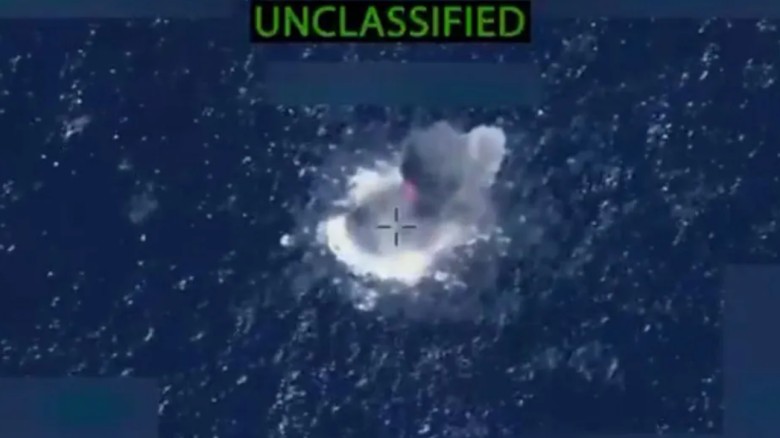
Videos released by Hegseth appeared to show several boats engulfed in flames after being hit by US munitions. The condition and current location of the sole survivor remain unclear, though Hegseth noted that Mexican authorities took over coordination of the rescue efforts.
The Pentagon says at least 57 people have now been killed in similar operations across the Pacific and Caribbean since the campaign began. Most previous strikes occurred off the South American coast, but the latest attacks reflect a broader shift into the Pacific corridor — a key drug-smuggling route.
However, the strikes have sparked widespread condemnation in Latin America and raised questions about their legality under international law. Officials in Colombia and Venezuela have accused Washington of overreach and violating sovereignty.
Colombian Deputy Foreign Minister Mauricio Jaramillo, speaking to the BBC’s Newsday programme, called the attacks “disproportionate and outside international law,” arguing that those on the vessels “had no possibility to defend themselves” and were struck “without due process or judicial order.”
The strikes come amid heightened tensions between the US and several Latin American governments. The Trump administration has imposed sanctions on Colombian President Gustavo Petro, accusing him of allowing drug cartels to “flourish.” In Venezuela, President Nicolás Maduro has rejected US accusations linking him to narcotics trafficking, warning that the recent military buildup in the Caribbean could destabilize his government.
President Trump has defended the maritime strike campaign, insisting he has the legal authority to order attacks on boats in international waters. He has, however, suggested that he may seek congressional approval if the campaign expands to include land-based targets — a move that would mark a significant escalation.
In the Caribbean, the US has already deployed troops, aircraft, and naval assets, including the USS Gerald R. Ford — the world’s largest warship — as part of its growing counter-narcotics operation.
The continuation of these strikes signals a deepening US military involvement in the region’s drug enforcement efforts, drawing both domestic and international scrutiny over their scope, legality, and potential geopolitical consequences.


Leave A Comment