









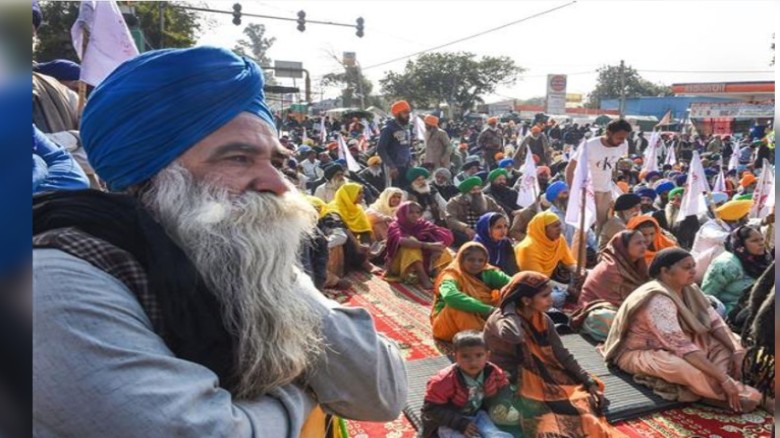
Six Years After 2020 Delhi March, Punjab Farmers' Movement Faces Divisions and Unresolved MSP Demands
Six years after farmers began their historic march towards Delhi on November 26, 2020, agricultural organisations in Punjab are facing internal divisions, reduced mobilisation and continuing disagreements over their political strategies.
The original protest brought together farmers from Punjab, Haryana and other states in opposition to three agricultural reform laws introduced by the Central Government in 2020. Protesters expressed concerns about the future of regulated agricultural markets, minimum support prices and protections for farmers.
Following approximately a year of demonstrations at Delhi's borders, the Central Government repealed the three laws in November 2021. However, several demands raised during the movement remain unresolved.
Farmer organisations continue to seek a legal guarantee for minimum support price (MSP) across crops, agricultural debt relief for farmers and labourers, and a comprehensive crop insurance programme.
The Samyukt Kisan Morcha (SKM), which coordinated the original agitation, has since experienced organisational divisions. The emergence of SKM (Non-Political) as a separate platform and disagreements over political participation have made collective mobilisation more difficult.
Harinder Singh Lakhowal of the Bharatiya Kisan Union (Lakhowal) acknowledged that the movement had lost some of its earlier momentum. He said his organisation had extended support to the Shiromani Akali Dal, which had promised to raise farmers' demands with the Centre.
Lakhowal clarified that his union's support was directed towards the Akali Dal rather than the BJP, despite the two parties having recently restored their political alliance. He also criticised successive political parties for what he considered inadequate engagement with agricultural concerns.
Other farming organisations have taken a different position. Kirti Kisan Union general secretary Rajinder Singh Deepsinghwala opposed political cooperation with the BJP and argued that the movement had not succeeded in expanding its campaign for a legal MSP guarantee across the country.
BKU (Ekta Dakaunda) state president Manjit Singh Dhaner similarly criticised farmer organisations that had moved towards political partnerships. His union maintained that independent collective action remained essential to pursuing agricultural and labour demands.
The debate comes ahead of the 2027 Punjab Assembly elections, with farmer organisations divided over whether engaging directly with political parties can advance their demands or weaken the independence of their movement.
Although the repeal of the farm laws remains an important outcome of the 2020–21 agitation, the movement's future direction remains uncertain as organisations attempt to address outstanding agricultural issues while navigating differing political positions.


Leave A Comment