






Punjab Elections 2027: Political Defections Put Party Loyalty, Anti-Defection Law and Voter Accountability in Focus
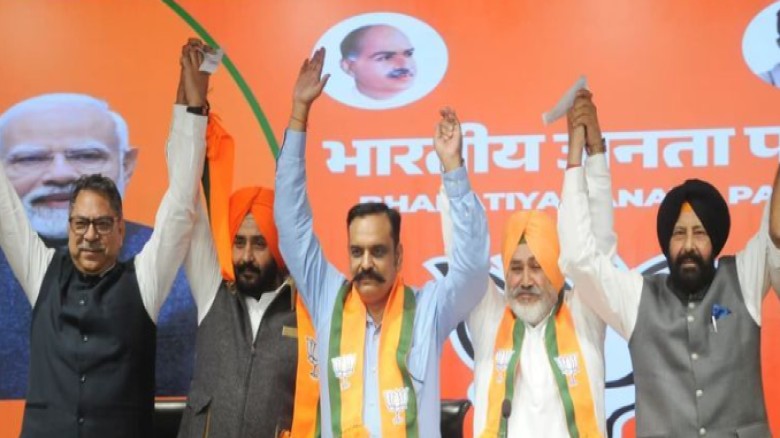
Political defections have become a prominent subject of discussion in Punjab as parties prepare for the 2027 Assembly elections, with changes in party allegiance prompting questions about political representation and accountability.
A commentary by political analyst Jagrup Singh Sekhon, published on November 16, 2026, examines the wider implications of politicians changing parties and the considerations facing voters when assessing candidates.
Party defections can occur for several reasons, including disagreements with leadership, changes in political priorities, electoral opportunities and disputes over candidate selection.
Punjab's political landscape has experienced changes in party membership involving politicians from the Congress, Aam Aadmi Party, Bharatiya Janata Party and Shiromani Akali Dal.
Such moves can affect local party organisations, particularly when established leaders transfer their supporters and political networks to another organisation.
The issue also raises questions about the relationship between elected representatives and voters who originally supported them under a particular party symbol.
India's anti-defection provisions, contained in the Tenth Schedule of the Constitution, regulate certain changes in party affiliation by sitting legislators.
A legislator who voluntarily gives up membership of the political party on whose ticket they were elected may face disqualification, subject to constitutional exceptions and the relevant adjudication process.
However, the legal position of a politician who changes parties after resigning from the legislature differs from that of a sitting legislator who changes allegiance while retaining office. Politicians who are not members of a legislature are not subject to disqualification under the Tenth Schedule merely for changing parties.
The debate also concerns political transparency, including whether candidates adequately explain their reasons for changing parties and how their previous public positions compare with their current commitments.
Parties must consider candidate selection, organisational relationships and political agreements as they prepare for the next election.
The commentary highlights political defections as an issue of electoral accountability, while the motivations and circumstances of individual party changes require separate examination rather than a common explanation.
As Punjab moves towards the 2027 Assembly elections, candidates' political records and party affiliations remain matters of public interest, alongside their positions on governance and state-level issues.


Leave A Comment