



Jalandhar Air Pollution: AQI Climbs to 328 After Diwali, Firecracker Business Estimated at Over ₹30 Crore
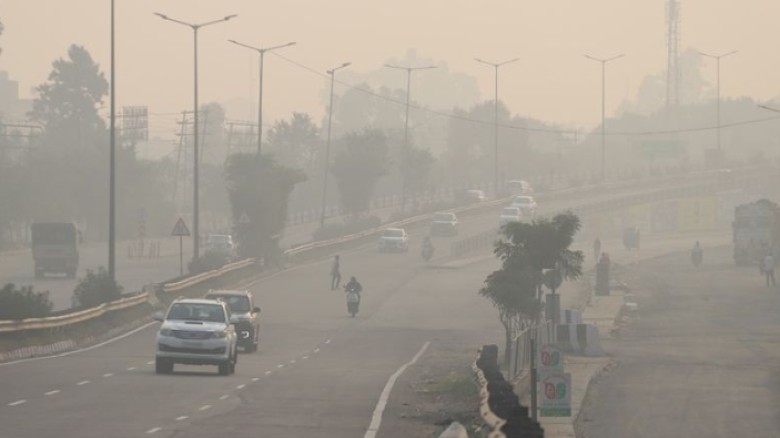
Jalandhar experienced a sharp deterioration in air quality following Diwali celebrations on November 8, 2026, as widespread firecracker use contributed to heavy smoke and haze across the city.
The city's Air Quality Index (AQI) reached 328 by noon on Monday, November 9, placing air quality in the very poor category.
The reading represented a significant increase from an AQI of 239 recorded at 4 pm on Diwali, when pollution was already in the poor category.
PM2.5, consisting of fine airborne particles capable of entering deep into the lungs, was identified as a major pollutant.
Firecracker sales during the festive period were estimated to exceed ₹30 crore. However, the reported figure was not accompanied by independently audited sales records.
Despite restrictions on the permitted hours for firecracker use, residents continued bursting crackers beyond midnight and into the early morning.
The continued celebrations coincided with increased smoke and reduced visibility. Some residents reported coughing, eye irritation and discomfort as air quality worsened.
The city's pollution problems had begun before Diwali, indicating that firecrackers were an additional source of emissions rather than the only factor contributing to poor air quality.
Firecracker traders reported substantial customer demand but raised concerns about the limited number of authorised selling locations and the short sales period.
Raowali village was designated as an authorised sales location, where approximately 20 wholesalers and retailers established stalls for four days.
Vikas Bhandari, president of the Jalandhar Fireworks Association, said authorised sellers accounted for only around half of the city's firecracker business.
He alleged that more than 800 stalls had operated without permission. This figure is a traders' association claim and was not independently confirmed through official enforcement records.
Bhandari also said authorised traders faced expenses for licences, electricity, land rental, transportation and other arrangements. He called for additional designated sales locations in future years.
Other traders questioned the facilities at Raowali and suggested that authorities consider sites offering easier access for customers.
The post-Diwali pollution has renewed attention on the challenges of managing festive celebrations while protecting public health.
Reducing harmful exposure will require action on multiple pollution sources, including firecrackers, road dust, traffic emissions and regional crop-residue burning, particularly during periods of weak winds and stagnant weather.


Leave A Comment