









Supreme Court Hands CBI Pan-India Probe Into ‘Digital Arrest’ Scam, Seeks RBI’s Stand on AI Use
Supreme Court Hands CBI Pan-India Probe Into ‘Digital Arrest’ Scam, Seeks RBI’s Stand on AI Use
The Supreme Court on Monday directed the Central Bureau of Investigation (CBI) to take over a comprehensive nationwide probe into the rapidly rising “digital arrest” scam and questioned the Reserve Bank of India (RBI) on why artificial intelligence and machine learning tools were not being deployed to detect and freeze bank accounts used by cyber criminals.
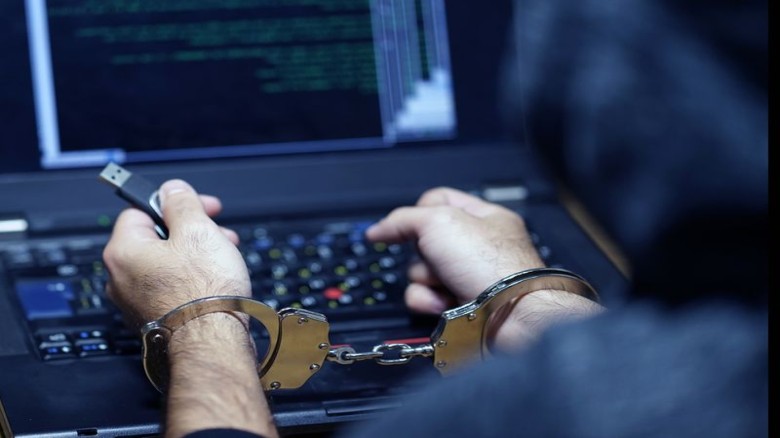
Digital arrest scams involve fraudsters impersonating police officers, court officials or government agency personnel to intimidate victims through audio or video calls. Victims—often senior citizens—are threatened, manipulated and coerced into transferring large sums of money, sometimes while being held on prolonged video calls to simulate custody.
A Bench led by Chief Justice of India Surya Kant and Justice Joymalya Bagchi asked all States, including West Bengal, Tamil Nadu, Karnataka and Telangana, to grant consent to the CBI for investigating such cases within their jurisdictions. The direction came during a suo motu case initiated by the court on the basis of a complaint filed by an elderly couple from Haryana who fell prey to such fraud.
The court issued notice to the RBI, seeking an explanation for the lack of AI or machine-learning-based mechanisms to proactively identify and block fraudulent bank accounts. Observing that senior citizens were increasingly becoming targets, the Bench expressed concern that victims were being stripped of their hard-earned savings.
The Supreme Court also ordered Information Technology intermediaries to fully cooperate with the CBI and provide all relevant data required for the investigation. To track cyber criminals operating from outside India, the CBI has been authorised to seek assistance from Interpol.
In a further attempt to plug systemic loopholes, the court directed the Department of Telecommunications to ensure telecom operators do not issue multiple SIM cards to the same user or entity, noting that such SIM cards are frequently used in cyber fraud operations.
States and Union Territories have been asked to establish regional and state-level cyber crime coordination centres to enhance cooperation with central agencies. Solicitor General Tushar Mehta was instructed to present the views of key Union ministries—including Home Affairs, Telecom, Finance and Electronics & IT—on measures needed to combat cyber fraud.
The court emphasised that all States, Union Territories and their police forces, along with the CBI, were empowered to freeze bank accounts linked to cyber scam operations. At the same time, the Bench instructed the CBI to investigate bank officials suspected of facilitating the misuse of “mule accounts”—accounts created in the names of other individuals and used by fraudsters to obscure the trail of illicit funds.
The issue first came under sharp scrutiny on November 3, when the Supreme Court expressed shock at the scale of the digital arrest menace, noting that more than ₹3,000 crore had been extorted from victims across India. The Bench had then reviewed sealed-cover reports submitted by the Ministry of Home Affairs and the CBI detailing the extent of the criminal network.


Leave A Comment