









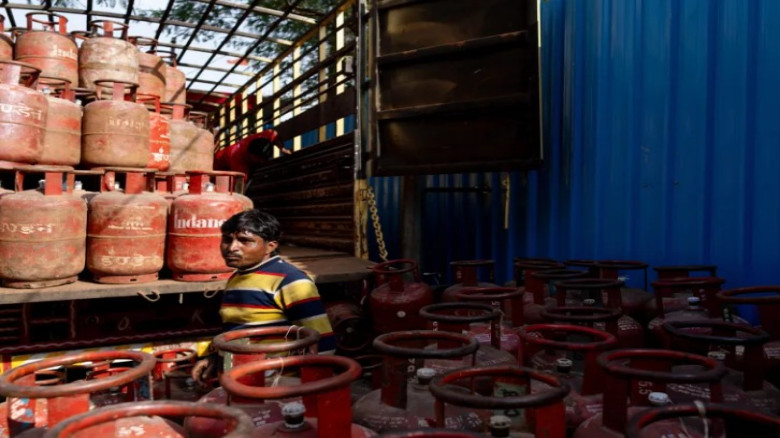
Hormuz Tensions Disrupt LPG Supply, Impacting India’s Street Food Culture
Hormuz Tensions Disrupt LPG Supply, Impacting India’s Street Food Culture
Rising geopolitical tensions around the Strait of Hormuz are beginning to affect daily life in India, with disruptions in liquefied petroleum gas (LPG) supplies impacting the country’s vibrant food industry. While global concerns have focused on fuel shortages, restaurants and street vendors in India are facing a different challenge—maintaining the taste and authenticity of beloved dishes like samosas and chai.
India, the world’s fastest-growing major economy, imports nearly 85% of its LPG from the Middle East. Much of this fuel is essential for cooking for its population of over 1.4 billion people. As supply pressures increase due to ongoing conflict involving the United States, Israel, and Iran, authorities have prioritized household consumption by diverting LPG away from commercial users such as restaurants, hotels, and canteens.
This shift has forced many food businesses to adapt. Some establishments have turned to induction stoves, but the results have been less than satisfactory for traditional Indian cooking, which relies heavily on open flames and high heat.
Chetan Singh, owner of Gulabji Chai in Jaipur, said the shortage has led to the removal of popular items like samosas and bun butter from the menu. He added that even their signature chai has lost its distinct flavor when prepared on induction stoves, disappointing regular customers.
Similarly, Akhil Iyer, founder of the Benne Dosa restaurant chain with outlets in Delhi and Mumbai, said his kitchens have shifted partially to electric cooking methods. While items like idlis and fried foods can still be prepared, signature dishes such as dosa require gas flames to achieve the desired texture and quality. As a result, some outlets have temporarily stopped serving dosa due to limited LPG supplies.
The Indian government has responded by increasing domestic LPG production by approximately 38% and taking action against hoarding and black-market activities, reportedly seizing over 15,000 cylinders during enforcement operations.
Despite these measures, the shortage has led to long queues at gas distribution centers in several cities, with residents waiting hours to secure cylinders. Panic buying has also been observed, with reports indicating a sharp surge in induction stove sales.
Industry operators are exploring alternative solutions, including traditional cooking methods like firewood, though concerns about environmental impact remain.
As uncertainty continues, the disruption is slowing the fast-paced rhythm of India’s street food culture, raising concerns about how long businesses can sustain operations without consistent access to LPG.


Leave A Comment